
Responsible Travel
Responsible Travel at Africa's Waterfalls
How to visit Africa's waterfalls responsibly: local guides, wildlife, water, culture and a lighter footprint.
Responsible travel at Africa's waterfalls means supporting the communities that live beside them, protecting wildlife and water, and leaving fragile paths and viewpoints as you found them.
Why it matters
Waterfalls are some of the most fragile and most visited places in Africa. They support fishing communities, farmers and wildlife, and many are sacred to the people who live beside them. A few simple choices help keep them that way.
Use local guides
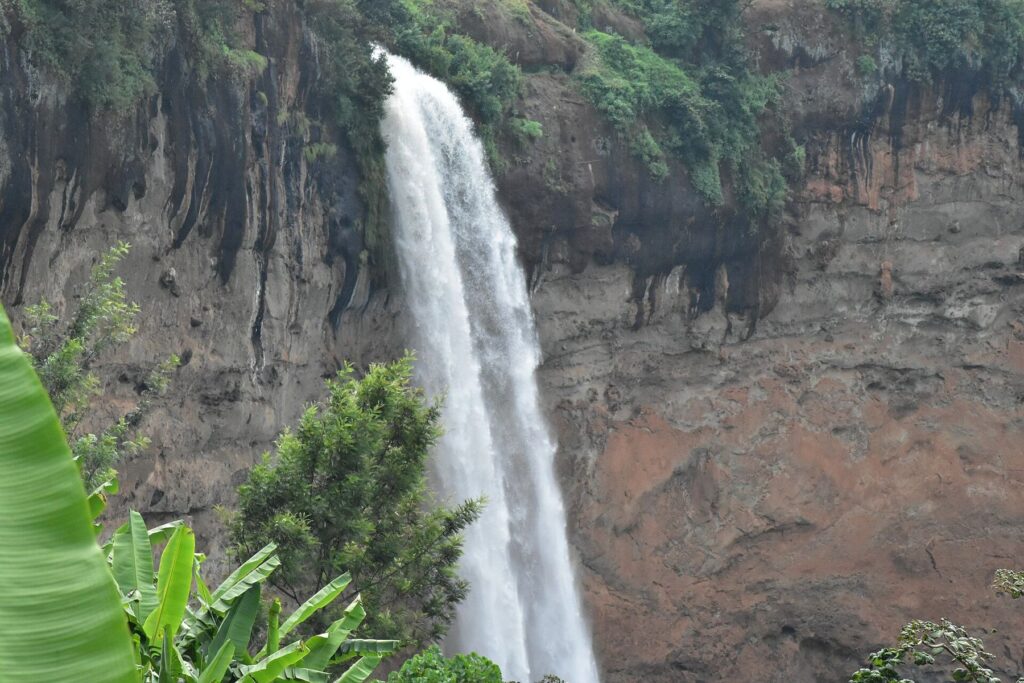
At Sipi Falls, Materuni, Wli and Epupa, walks are led by guides from the surrounding villages. Hiring them puts money directly into the community, and they know the paths, the history and the safe places to stand.
Respect wildlife
Keep to park rules on distances, numbers of vehicles and off-road driving. Gorilla and chimpanzee permits fund the protection of the forests. Avoid any activity that involves handling, feeding or riding wild animals.
Respect the water
Several great falls are affected by dams and water extraction upstream, and their paths erode quickly under heavy use. Stay on paths and boardwalks, take litter away with you and never swim above a waterfall except with a licensed operator.
Culture and photography
When visiting communities such as the Himba near Epupa Falls or Chagga farms near Moshi, go with a local guide and on your hosts’ terms. Always ask before photographing people, and buy crafts directly from the people who make them.
Gorillas and chimpanzees
Primate tracking has strict rules for good reason: great apes catch human illnesses easily. Groups are small, visits last one hour, and you keep a distance of at least seven metres. Do not trek if you have a cold or other infection, wear a mask if rangers ask, and never eat, drink or relieve yourself near the animals. Permit fees fund rangers, research and community projects around the parks.
Tipping and paying fairly
Tips are an important part of income for guides, trackers, porters and lodge staff across Africa. Ask your lodge or operator for current guidance, tip in local currency or small US dollar notes, and give directly to the people who helped you or into a shared staff box. Hiring a porter on a gorilla trek or a hike is a simple way to support local families.
Plastic and waste
Some countries, including Rwanda, Kenya and Tanzania, ban or restrict single-use plastic bags, and bags may be confiscated on arrival. Bring a reusable water bottle and ask lodges to refill it, carry your litter out of parks and viewpoints, and use the bins provided rather than leaving rubbish at waterfalls.
Choosing activities
Choose licensed operators for activities such as rafting, Devil’s Pool, abseiling and boat trips; they follow safety rules and pay park and community fees. Avoid elephant rides, walking with lions and any encounter that relies on captive or tame wild animals.
Travel lighter
Flights are the largest part of a safari’s footprint. Longer stays in fewer places, overland legs where practical and reusable water bottles all help.
Ask us
If any of this matters to you, tell us when you enquire and we will take it into account in your plan.
Enquire for more information
Plan your waterfall safari with a specialist
Tell us which falls you would love to see and when you can travel. We will reply with ideas, the best dates for the water and a quote for your trip.
- Tailor-made itineraries
- Timed for the water
- 23 waterfalls, 17 countries
- Honest seasonal advice
Prefer email? dusk2dawn.explorers@gmail.com · Call +256 709 780 625